1. Walk a stretch of the Thames Path
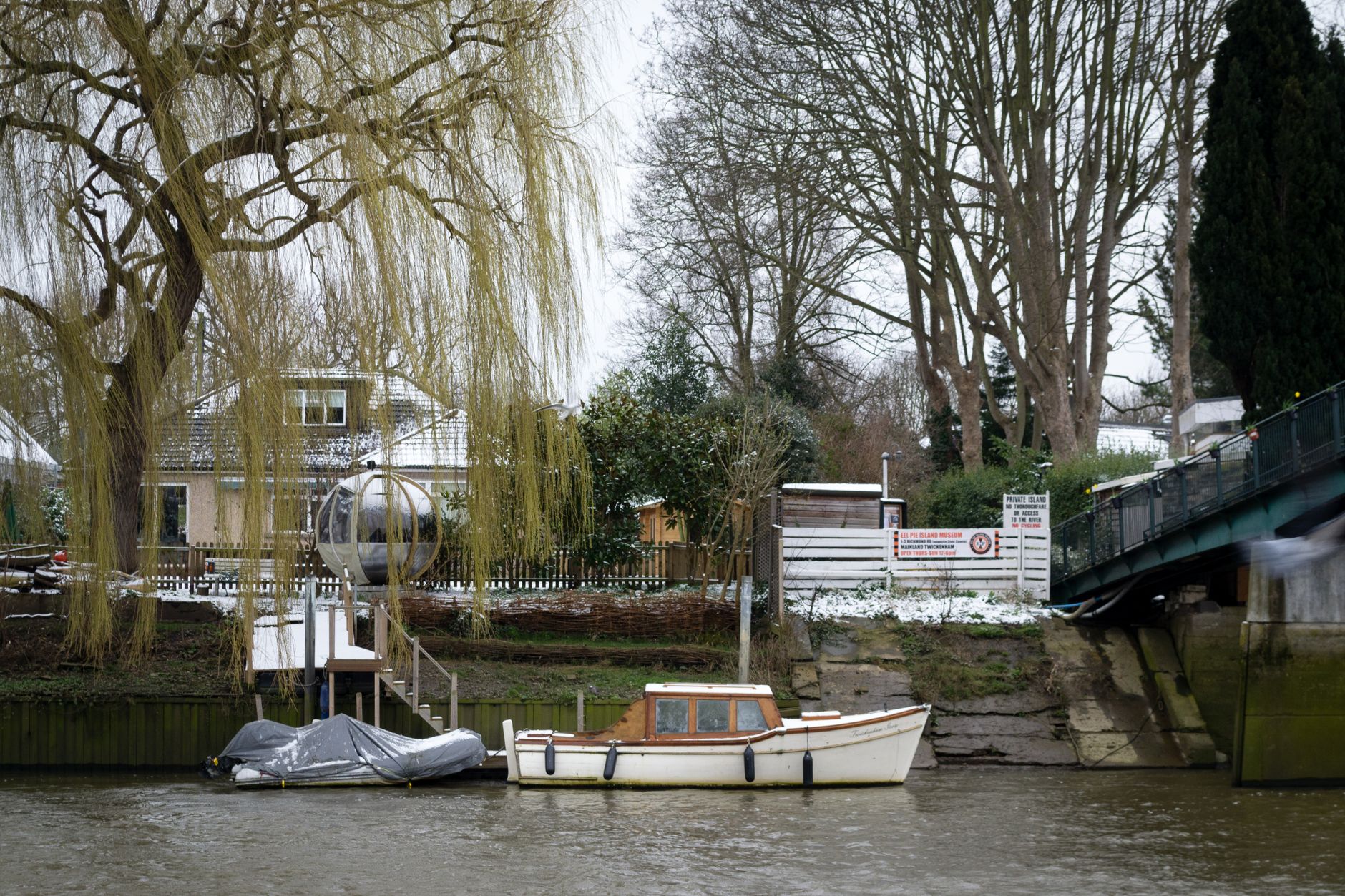
Nothing else on this list captures the region like walking a section of the Thames Path. The river between Pangbourne and Henley — 22 miles of it — is the postcard middle Thames: locks every three miles, willow-hung meadows, red kites overhead, the occasional Palladian house glimpsed through beech. Do it as a series of day walks (Pangbourne to Reading, Reading to Sonning, Sonning to Henley) or as a two-day walk staying overnight in Sonning.
Kit needed is minimal: trainers in summer, boots after October, a waterproof always. Trains follow the river closely enough that you can bail at any lock. This is the thing you’d tell a first-time visitor to do before anything else, and the reason many people who come here to visit end up moving here. Free, always open, no booking, no season it's actively bad in.
2. Henley Royal Regatta or a summer regatta day
The first week of July, Henley hosts the oldest rowing regatta in the world. Even without a Stewards' Enclosure badge (£100+ and dress code strict), the towpath is free and the atmosphere is remarkable — 300,000 people over five days, boats racing every three minutes, brass bands, Pimm's tents. Get there on Wednesday or Thursday to avoid the finals-day crush.
If regatta week itself is impossible, aim for Henley on any Saturday between mid-May and September when the town regattas and rowing club events run. The river is genuinely busy with boats, the pubs put out riverside tables, and the day has the same character in a lower key. Trains from Reading every 30 minutes; drive-parking in Henley itself is impossible in July, so train it.
3. A pub lunch at a proper Thames-side pub
The middle Thames has some of the best waterside pubs in England and picking one becomes the day. The Beetle and Wedge at Moulsford (mains £18-22), the Bull at Sonning (£16-20), the Flowerpot at Aston (£14-18), the Angel on the Bridge at Henley (£15-20), the Miller of Mansfield at Goring. All have proper river frontage, cask ale, and a menu that isn’t chain-pub food.
Book Sundays a week ahead in summer. The Beetle and Wedge for a special lunch, the Flowerpot for a walking-boots-welcome pub garden, the Bull for the postcard Elizabethan setting. This is one of those cases where the pub is genuinely the destination — driving 20 minutes to eat somewhere makes total sense here.
4. Windsor Castle
The castle is the single biggest cultural draw in the Thames Valley and it earns fourth place despite being on every guidebook — the state apartments, St George's Chapel and Queen Mary's dolls' house are all excellent, and the fact that the monarch actually lives here gives the building an intensity that Blenheim and Chatsworth lack.
£30 adult, book the 10am slot, allow two-and-a-half hours minimum. Add the Long Walk in Windsor Great Park in the afternoon (free, three miles each way). Combine with a Thames boat trip from Windsor Promenade in summer (£12, 45 minutes). Full day out. Not the day to try to add Legoland or Eton College — pick one castle-plus-thing and stop there.
5. Punt or row on the river
Hire a rowing boat from Hobbs of Henley (£25 an hour) or a self-drive dayboat from Caversham Boat Services (£190 for a day, up to eight people). The self-drive is the better experience — take it upstream from Reading to Mapledurham Lock and back, or from Henley to Hambleden Lock, with a pub lunch en route. No licence needed; the operator shows you what to do in 15 minutes.
Best months are May, June, September. July and August work but the locks are busy and you’ll queue. October is fine and quiet but bring waterproofs. Punting is really an Oxford thing (the Cherwell is better suited) — on the middle Thames, a rowing skiff or a self-drive is the right choice. Book a week ahead in high season.
6. The Museum of English Rural Life
MERL sits on the University of Reading campus and it's the best museum in the region for the money (free). English rural history done properly — wagons, ploughs, shepherds' huts, farm implements, all curated with wit and staged with proper museum design. Two hours easily; three if you read the labels.
Combine with a walk through the university's Harris Garden (10 acres, best in May for the wisteria and June for the roses) and lunch at Picnic on Kings Road. This is the museum I send everyone to who thinks Reading has nothing to see. Closed Mondays. Free parking on campus at weekends.
7. Cliveden and the Astor era
Cliveden is the National Trust country house above the Thames near Taplow that Nancy Astor turned into the political salon of the 1930s. The house is now a hotel (£450 a night) but the grounds are National Trust — £16 adult, formal gardens, woodland walks down to the Thames, and the terrace view over the river that has been painted since Turner.
Half a day. Combine with a boat trip from Boulters Lock in Maidenhead (£15, an hour, runs Easter to October) for the view from the water. The house isn’t open to non-guests but the grounds justify the trip on their own. Weekdays are much quieter than weekends. Not reachable by public transport without a taxi from Taplow station.
8. A Chilterns walk from the escarpment
The Chilterns escarpment runs north-west of Reading and gives the region its only proper hills. Streatley Hill and Lardon Chase (see above), Watlington Hill, Chinnor Hill, and the ridge above Ewelme all give 20-mile views and proper walking. The Ridgeway (Britain's oldest road) runs the length of the escarpment.
For a first walk try Streatley Hill to Aldworth (5 miles, one steep climb, ends at the Bell — no menu, cheese rolls, one of the great English pubs). For a longer day, walk from Goring to Watlington along the Ridgeway with an overnight in between. Best in May for bluebells, October for beech colour. Boots needed after October — chalk goes greasy in wet weather.
9. Basildon Park or a Palladian house day
Basildon Park (National Trust, £14) is the Palladian house that stood in for Netherfield in the 2005 Pride and Prejudice. The Thames Valley has an unusual concentration of country houses within an hour of Reading — Basildon, Mapledurham, Cliveden, Stonor, Greys Court, Chastleton just over the Oxfordshire border.
A National Trust membership (£90 individual) pays for itself in three visits. Basildon for the Palladian architecture and the parkland, Greys Court for the domestic scale and the Tudor gardens, Stonor for the deer park and the family continuity (same family since 1200). Pick one per day trip — the houses need two hours minimum and the grounds want an hour more.
10. A river-town Sunday
Pick a river town (Henley, Marlow, Pangbourne, Sonning, Goring) and give it a whole Sunday — church at 10am if that's your thing, walk along the river before lunch, pub roast at 1pm, a smaller walk in the afternoon, tea in a café before the train home. Sonning is the most compact for this; Henley the busiest; Pangbourne the quietest.
The Sunday roast is the fixed point. Book by Thursday. My default is the Bull at Sonning for the setting or the Miller of Mansfield at Goring for the food. This is what the middle Thames does better than anywhere else in England, and it's the day I take visiting friends who want to understand what people mean by 'the Thames Valley'.
11. Legoland Windsor (if you have kids)
Ranked eleventh because it's only relevant if you have kids six to twelve, but for that demographic it's the best day out in the region. £70 adult in high season, cheaper midweek and off-peak, book online for £15 off. Ninety-plus attractions, most aimed at the target age, and the Miniland scale-model area is genuinely impressive for adults.
Aim for a shoulder-season weekday (May half-term aside) — queues are 15 minutes rather than 90. Park opens 10am, closes 5-7pm depending on season. Bring a picnic; the food inside is grim value. Twenty-five minutes' drive from Reading, or the Green Line 702 bus from Reading station.
12. A Twyford or Sonning vineyard tour
The Thames Valley has a small but growing wine scene — sparkling wine mostly, on chalk soils similar to Champagne. Stanlake Park at Twyford (10 minutes from Reading) does tours and tastings for £25 including six wines and a walk through the vineyard. Combine with lunch at the Land's End pub in Twyford.
Twelfth on the list because it's a niche day and the wine, honestly, is fine rather than great. But it's a proper English rural day out — vineyard, pub lunch, short walk — and it's a growing part of the region's identity. Weekends only; book ahead. Add it to a Thames Valley long weekend rather than making it a standalone day.
Questions, answered
What's the one thing not to miss?
A walk on the Thames Path with a pub lunch built into it. Whether that's Sonning to Shiplake with lunch at the Baskerville, or Goring to South Stoke with lunch at the Perch and Pike, this is the experience the region does better than anywhere else in Britain. Everything else is a supporting act.
How many days do I need to see the Thames Valley properly?
Four. Day one: Reading base, MERL and the town. Day two: Henley and a river walk. Day three: Windsor Castle and Long Walk. Day four: a Chilterns walk from Streatley or Goring. That's the honest minimum — three feels rushed and five gives you time for a country-house day.
Is the Thames Valley worth visiting without a car?
Mostly yes. The train line follows the Thames closely between Reading and Oxford, and there are stations at Pangbourne, Goring, Cholsey and Didcot. Henley and Marlow are branch lines. The gaps are Cliveden, Mapledurham House and the Chilterns escarpment walks — for those, taxis from the nearest station work.
Doing good is the business: every booking through Stay Reading funds one verified tonne of carbon removal — same room, same price, no markup.
Start your search