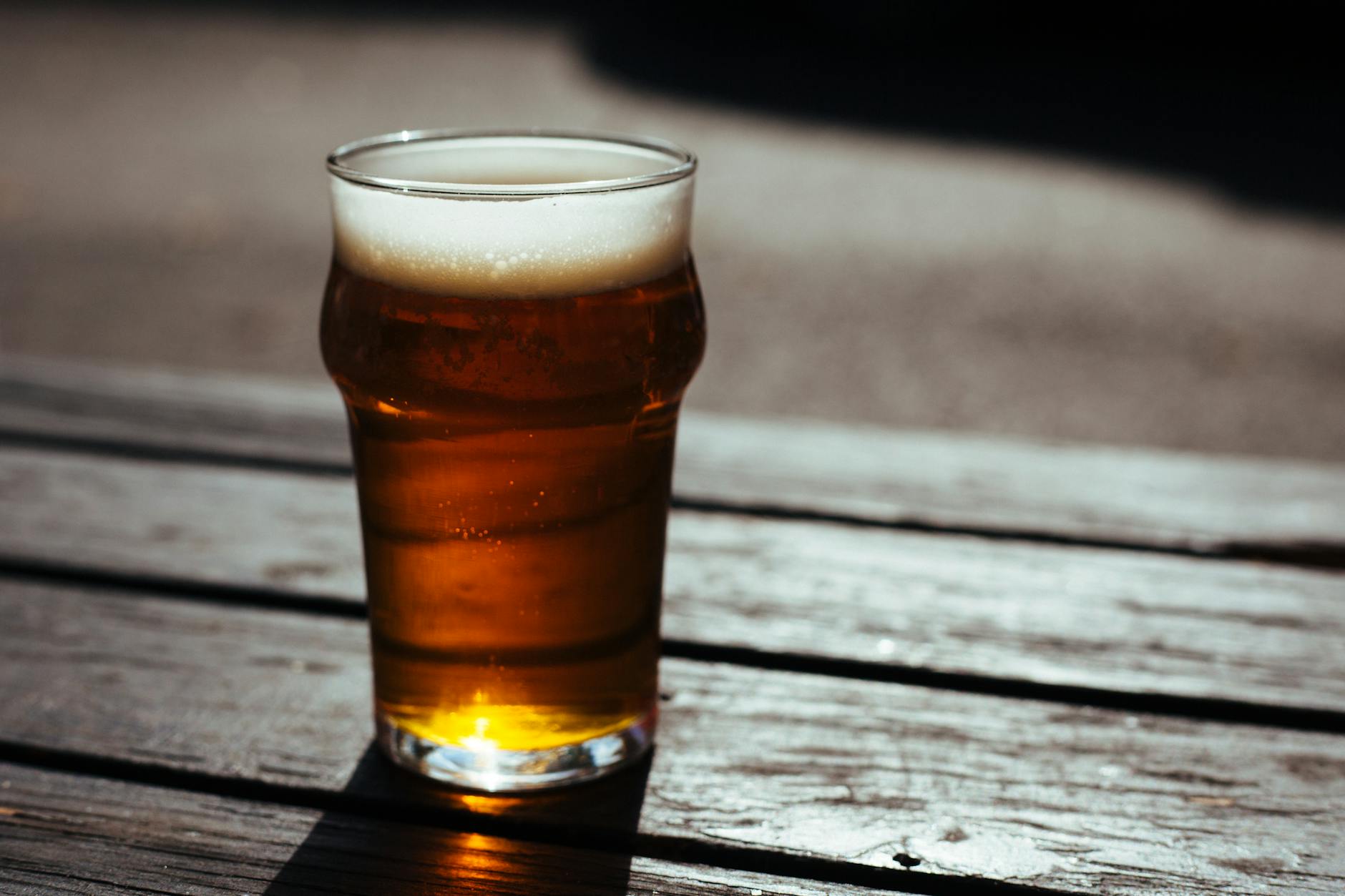
The pub rules nobody writes down
You do not tip bar staff at a pub in Reading. Not at The Nag's Head on Russell Street, not at The Retreat in East Reading, not at the Wetherspoons on Friar Street. If a bartender has been especially good, the phrase is "and one for yourself" as you pay — they’ll add roughly a pound to your bill and pocket it or take a soft drink later. That's it. Leaving coins on the bar marks you out as a confused tourist and the money usually just sits there.
Order at the bar unless there's a sign or a QR code telling you otherwise. Say what you want, pay by card, carry your own drinks back. Table service exists at gastropubs like The Lyndhurst or The Fisherman's Cottage in Kennet-side, and there you’d tip 10% at the end if you’ve eaten a proper meal. For a round of pints delivered to your table on a busy Saturday, no tip is expected — the service charge is baked in or simply not a thing.
Restaurants: read the bill before you add anything
Most sit-down restaurants in Reading add a "discretionary service charge" of 10 to 12.5% automatically, and it will be printed on the bill above the total. Places like Kyrenia on Queen's Walk, Bhoj on London Street, and pretty much every restaurant in the Oracle Riverside do this. If it's there, you don’t add more. If you had bad service you can legally ask for it to be removed and staff will do it without argument, though it's awkward if you’re wrong about who's at fault.
If service isn’t included — common at smaller independents, cafés, and lunch spots like Workhouse Coffee or Tamp Culture — then 10% in cash or added to the card is generous and normal. Fifteen percent is American-scale and will make people slightly uncomfortable. At chain places like Nando's or Wagamama on the Riverside, the app or card machine will prompt you; 10% is the default and fine to accept or decline. Nobody chases you down the street.
Taxis, hairdressers and hotel staff
Black-cab-style taxis barely exist in Reading — you’ll mostly use Uber, Bolt, or local firms like Reading Taxis and Springline. For app rides, tipping is optional and most locals don’t; the app asks after the trip and 10% or a round-up is polite for a long journey or help with bags. For a phone-booked minicab from the station to Tilehurst that comes to £14, handing over £15 and saying "keep it" is standard. Airport runs to Heathrow (about £70) warrant £5 on top if the driver helped with luggage.
Hairdressers get 10% if you’re pleased. Hotel housekeeping at places like the Malmaison or the Roseate on the Thames — £2 to £5 per night left on the pillow on your last morning is kind but genuinely not expected in the UK. Porters who carry bags get £1 or £2 per bag. Concierge who books you a hard-to-get table at L’Ortolan out in Shinfield gets £10 to £20 when you check out. Room service usually has service included on the tray charge.
The queue is sacred
British queueing is real and Reading enforces it quietly but firmly. At the bus stop on Broad Street, at the ticket machines at Reading station, at the coffee counter in Picnic on King's Road — you join the back, you don’t stand near the front hoping. Trying to slip in gets you tutted at, and a tut is a nuclear response here. If you’re not sure where the queue starts, ask "are you in the queue?" and someone will point.
The same applies to escalators at the station and in The Oracle: stand on the right, walk on the left. Blocking both lanes while checking your phone will get you sighed at within about eight seconds. On trains, the unspoken rule is that the window seat gets the armrest by the wall, the aisle seat gets the aisle armrest, and the middle seat on a three-across (rare on GWR) gets both middles. Don’t talk loudly on phones in the Quiet Coach — the sign means it.
Please, thanks, and the word "sorry"
"Please" and "thank you" are used constantly and their absence is noticed. Order a coffee as "a flat white" and you’ll get one but the barista will remember you as rude; "a flat white please" and "cheers" or "thanks" when it lands is the minimum. Bus drivers get a "thanks" or "cheers, drive" as you get off — you’ll hear locals shout it from the back door. It costs nothing and marks you as someone who knows how things work.
"Sorry" is used for almost everything, including when someone else bumps into you. If you need to squeeze past on a narrow pavement on Duke Street, say "sorry" as you go. If someone steps on your foot in the Oracle, they’ll say sorry first. It's not really an apology, it's a social lubricant. "Excuse me" to get someone's attention (asking for directions, flagging down a waiter) is more direct and equally fine. Shouting "hey" or clicking fingers at staff is genuinely offensive.
Money, cards and rounds
Cards are king. Everywhere in Reading — buses, market stalls at the Saturday farmers' market on Cattle Market car park, tiny cafés, the toilets at the station (yes, they charge 50p and take contactless) — takes tap-to-pay. You genuinely do not need cash. Some pubs have a £5 or £10 card minimum which is technically discouraged by card networks but still common; either buy more or pay cash for one pint. American Express is refused at maybe a third of independents, so carry a Visa or Mastercard as backup.
Rounds at the pub are the thing that catches visitors out. If you’re in a group of four and someone buys you a pint, you’re now committed to buying one back before the night ends. Skipping your round is remembered. If you can’t afford to be in a round of six pricey cocktails, say so at the start — "I’ll get my own tonight" — and nobody minds. Trying to leave after your third free drink without buying one is the sort of thing that gets brought up at your wedding twenty years later.
Small things that mark you as a tourist
Calling the town "Redding" — it's "Redd-ing," like the colour, and locals will correct you gently. Asking where the "downtown" is (it's "the town centre" or just "town"). Ordering a "regular coffee" and expecting filter — you’ll get a puzzled look; specify Americano, latte, or filter if the café does it. Assuming everything closes at 5pm; most of the Oracle and Broad Street shops run to 8pm on weekdays, 6pm on Sundays.
Tipping the bartender, over-tipping the waiter, or standing too close in a queue. Trying to pay with a Scottish £20 note (legal tender but often refused by tired staff who can’t be bothered to check). Wearing a full suit to a casual Sunday roast at The Bull in Sonning — smart-casual is the ceiling for almost everywhere in Reading outside of L’Ortolan or a wedding. Assuming the Thames is walkable end-to-end within town — you can do Caversham Bridge to Kings Meadow easily, but past that it gets patchy.
Questions, answered
Do I tip on the card machine when it asks?
Only if service isn’t already on the bill — check the printed receipt first. If service is included (10-12.5% is standard in Reading restaurants), decline the extra prompt. If it isn’t, 10% is polite. Chains like Wagamama or Nando's will prompt you; accepting the default is fine but not obligatory.
Is it rude not to tip a taxi driver?
No. Uber and Bolt drivers in Reading don’t expect tips and most locals don’t leave one. For phone-booked minicabs, rounding up to the nearest pound or two is normal and appreciated, especially for late-night rides or help with luggage. Airport transfers to Heathrow warrant £5 extra if the driver worked hard.
What's the etiquette for splitting a bill in a Reading restaurant?
Splitting evenly is default and easy — servers will run multiple cards without complaint. Splitting item-by-item ("I only had the salad") is fine at casual places but slightly frowned upon at nicer restaurants where the group vibe matters. Just ask: "can we split this four ways?" and they’ll do it.
Should I say hello to shopkeepers when I walk in?
A nod or brief "hi" is friendly at independents like on Harris Arcade or in Caversham's small shops. In big places like Primark or the Oracle branches, staff don’t expect anything — walk in, browse, leave. Making eye contact and smiling at the till while you pay is the standard warmth level.
Doing good is the business: every booking through Stay Reading funds one verified tonne of carbon removal — same room, same price, no markup.
Start your search